


What is the NDIS
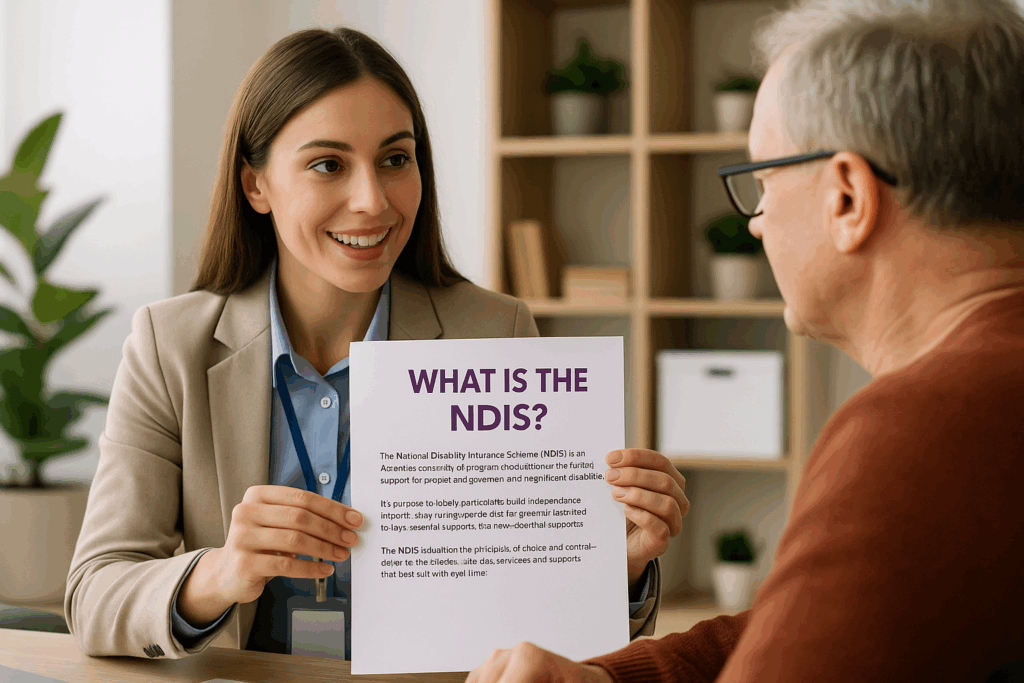
The National Disability Insurance Scheme (NDIS) is an Australian Government program that provides personalised support for people with permanent and significant disabilities. Its purpose is to help participants build independence, improve daily living, and access the services they need to live a meaningful and fulfilling life.
Under the NDIS, every participant receives an individualised plan designed around their goals, abilities, and support needs. This plan may include assistance with daily personal activities, community participation, therapy and allied health services, assistive technology, home modifications, and other essential supports.
The NDIS is built on the principles of choice and control. Participants have the freedom to select the providers and services that best align with their lifestyle, preferences, and long term wellbeing.
NDIS Eligibility Requirements
To access the National Disability Insurance Scheme, an individual must meet the following criteria:
Age Requirements
Must be under 65 years old at the time of applying for the NDIS.
Residency Requirements
Must live in Australia permanently, and be one of the following:
> An Australian citizen
> A permanent resident
> A Protected Special Category Visa holder
Disability Requirements
- Must have a permanent disability that is likely to be lifelong.
- The disability must be significant enough to impact everyday activities, such as:
> Communication
> Social interaction
> LearningMobility
> Self-care
> Self-management
Early Intervention Requirements (if applicable)
The NDIS may also support individuals if early intervention is likely to:
> Reduce the long-term impacts of a disability
> Improve functioning or slow further deterioration
> Reduce the need for future support

What the NDIS Can Fund
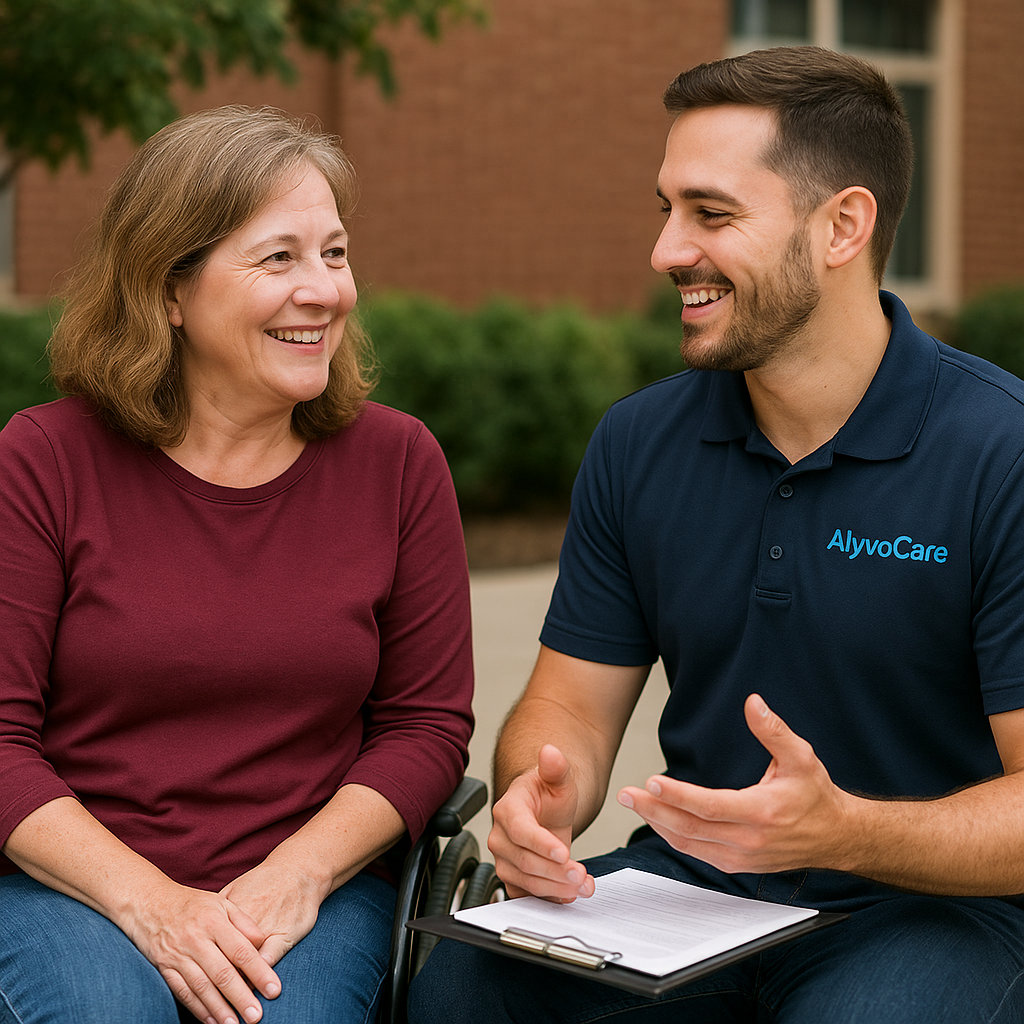
The NDIS provides funding for supports that help participants improve independence, increase participation, and achieve their personal goals. Funded supports may include:
Therapy and Allied Health Supports
> Occupational therapy
> Physiotherapy
> Speech therapy
> Psychology and behaviour support
> Early childhood intervention services
Daily Living Support
> Personal care (showering, dressing, grooming)
> Meal preparation
> Assistance with household tasks
Support for building independence in daily routines
Community Participation
> Assistance to join social, recreational, or community activities
> Capacity-building programs and skill development
> Transport assistance for essential appointments and activities
Assistive Technology & Equipment
> Mobility aids (wheelchairs, walkers, scooters)
> Communication devices
> Assistive technology for independence
> Continence equipment
Home and Living Support
> Home modifications
> Supported Independent Living (SIL)
> Specialist Disability Accommodation (SDA)
> Individualised Living Options (ILO)
Health and Wellbeing Supports
> Exercise physiology
> Dietetics and nutrition support
> Support to build physical and mental wellbeing
Carer and Family Supports
> Training for families and carers
> Support coordination
> Psychosocial recovery coaching (for mental health needs)
What the NDIS Does Not Cover
Although the NDIS offers extensive support, there are specific exclusions. The scheme will NOT fund: